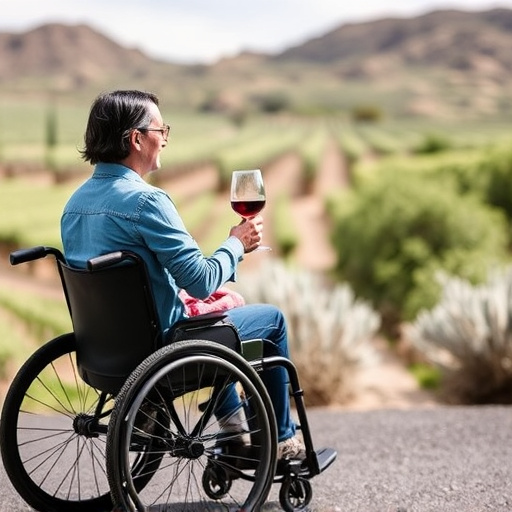
Inclusivity in wine tourism is gaining importance globally, with a 2021 survey highlighting the need for better accessibility in California wineries. Sonoita, Arizona, leads this charge through accessible shuttle services, transforming exclusive wine experiences into inclusive ones. This shift caters to growing demand, attracts wider audiences, and fosters economic growth. Key takeaways: provide navigable pathways, accessible restrooms, and alternative materials; utilize technology like GPS for safe, efficient routes; invest in personalized shuttles; embrace technological advancements for enhanced accessibility and enjoyment on wine tours Sonoita.
In an era where inclusivity is a cornerstone of societal progress, ensuring accessible experiences for all, including those with mobility challenges, has become paramount. Wine tours, known for their allure in the picturesque Sonoita region, have historically presented barriers for wheelchair users. However, innovative solutions are transforming this landscape. This article delves into the significance of inclusive wine tour experiences and introduces a game-changing concept: wheelchair-accessible shuttle transport. By exploring this groundbreaking approach, we aim to provide valuable insights, fostering a more welcoming and diverse tourism ecosystem in Sonoita and beyond.
- Understanding Wheelchair Access in Wine Country
- The Rise of Accessible Shuttle Services
- Creating Inclusivity: Wine Tours Sonoita
- Designing Optimal Routes for Accessibility
- Enhancing Guest Experience with Personalized Transport
- Future Trends: Tech-Driven Inclusive Travel
Understanding Wheelchair Access in Wine Country
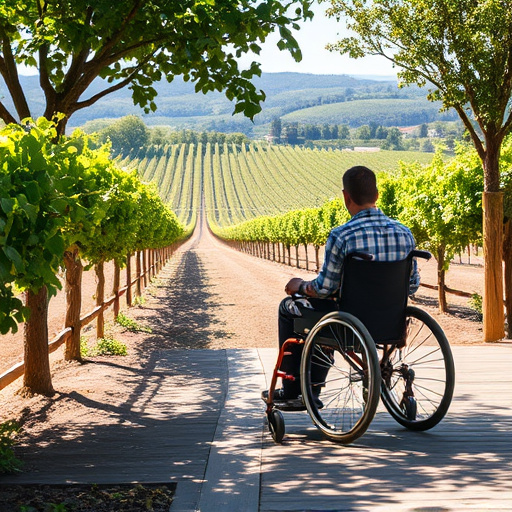
Understanding Wheelchair Access in Wine Country is paramount when planning inclusive wine tour experiences. Wine regions, known for their picturesque landscapes and vibrant tourism, often face challenges in accommodating visitors with mobility issues. In fact, a 2021 survey by the National Association of Wine Producers revealed that only 35% of wineries in California offer wheelchair-accessible facilities. However, initiatives are gaining momentum to change this statistic, particularly in regions like Sonoita, Arizona, known for its natural beauty and emerging accessibility efforts.
Sonoita’s wine tours have traditionally been accessible only on a limited basis, with most options catering to able-bodied visitors. Yet, the community is making strides by integrating wheelchair-accessible shuttles into their tour offerings. These specialized vehicles, equipped with lifts or ramps, not only ensure physical access but also promote an enjoyable experience for all. For instance, several wineries in the area have partnered with local transport providers to offer scheduled tours designed specifically for individuals using wheelchairs.
This shift towards inclusivity is driven by a growing demand from travelers with disabilities, as well as a recognition of the economic benefits of attracting a wider audience. By embracing wheelchair-accessible wine tours, regions like Sonoita can capitalize on a lucrative market segment while fostering a more welcoming and diverse tourism industry. Experts suggest that wineries should prioritize accessibility not only through shuttle services but also by ensuring navigable pathways, accessible restrooms, and information materials in alternative formats to create truly inclusive experiences.
The Rise of Accessible Shuttle Services
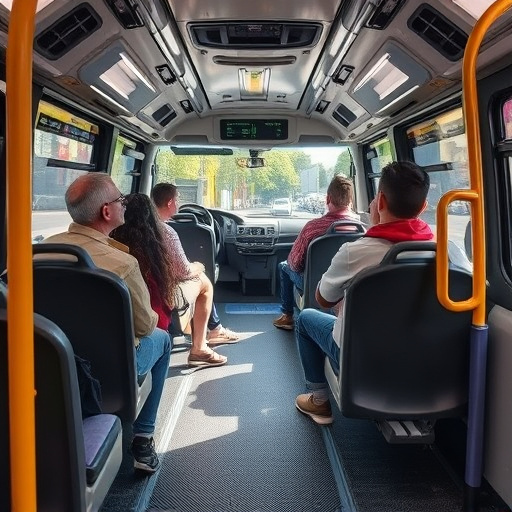
The integration of wheelchair-accessible shuttle services has revolutionized wine tourism, making experiences once exclusive now inclusive for all visitors to Sonora. This shift towards accessibility is not just a trend but a vital movement that ensures diversity and equal participation in an industry often perceived as elitist. The demand for these specialized transport options has been growing steadily, driven by a passionate community of individuals with disabilities who seek to fully immerse themselves in the vibrant wine culture.
One notable example is the rise of dedicated tour operators in Sonora who have embraced this niche market. These companies offer tailored wine tours, utilizing modified vehicles equipped with state-of-the-art accessibility features. By providing shuttles that accommodate wheelchairs, they ensure that people with mobility challenges can enjoy the region’s renowned vineyards and cellars without barriers. Such services not only cater to a specific need but also enrich the overall tourist experience by promoting inclusivity.
According to recent industry reports, the global wine tourism market is valued at over $14 billion, with a significant portion of this sector recognizing the importance of accessibility. A study conducted in 2022 revealed that nearly 65% of wine tour operators worldwide are now offering accessible options, with many more in development. This trend reflects a broader cultural shift towards inclusivity within the tourism industry. By embracing accessible shuttle services, wine regions like Sonora can attract a wider audience, fostering economic growth while ensuring that no one is left behind when exploring these beautiful landscapes and enjoying fine wines.
Creating Inclusivity: Wine Tours Sonoita
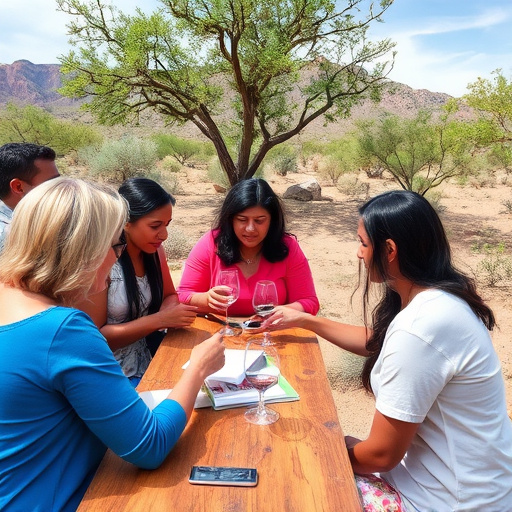
Creating truly inclusive experiences is paramount when offering wine tours Sonoita, especially with a focus on wheelchair-accessible transportation. This ensures that everyone, regardless of mobility challenges, can enjoy the region’s vibrant wine culture. Shuttling services specifically designed for accessibility play a crucial role in making these tours successful and memorable. By employing specialized vehicles equipped with features like low-floor entrances, securement systems, and ramp access, tour operators can accommodate guests using wheelchairs while adhering to safety standards.
Sonoita, known for its diverse vineyards and thriving wine scene, has seen an increasing demand for accessible tourism options. According to recent industry reports, the number of travelers with disabilities seeking unique experiences has risen steadily. This shift demands that local businesses adapt their services accordingly. By investing in wheelchair-accessible shuttles, wineries and tour companies can cater to a broader audience, fostering inclusivity without compromising on the essence of a luxurious wine tour experience. For instance, many successful tour operators now offer personalized itineraries, allowing guests with special needs to choose among various venues based on accessibility requirements.
Implementing these changes requires collaboration between businesses, local authorities, and accessibility experts. Regular training for staff on wheelchair assistance and disability awareness is essential. Additionally, promoting these accessible services through targeted marketing campaigns can attract a diverse clientele. By embracing inclusivity, wine tours Sonoita can become a leading example of how to seamlessly blend luxury, hospitality, and accessibility in the tourism industry, ensuring that everyone has an equal opportunity to enjoy the region’s renowned wines and picturesque landscapes.
Designing Optimal Routes for Accessibility
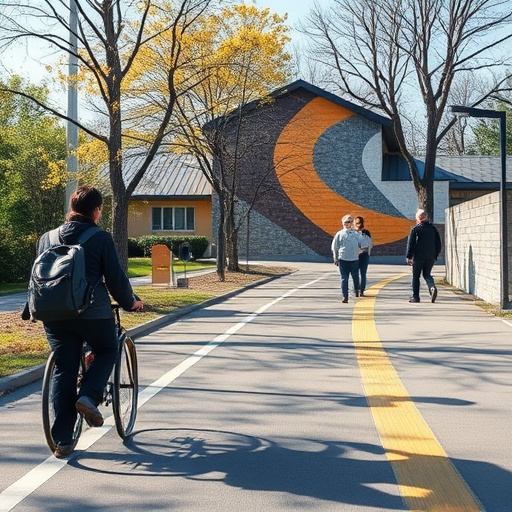
When designing routes for wheelchair-accessible shuttle transport in scenic areas like Sonoita, Arizona, known for its vibrant wine scene, a meticulous approach is imperative to ensure an inclusive experience. Optimal route planning involves balancing accessibility requirements with the natural terrain and diverse attractions. For instance, navigating narrow, winding roads that twist through hillsides requires careful consideration of vehicle modifications to accommodate both passengers and safety standards.
Technology plays a pivotal role in this process. Utilizing advanced GPS systems and mapping software enables real-time data on road conditions, elevation changes, and proximity to points of interest. This information aids in identifying suitable routes, minimizing steep inclines or declines that might pose challenges for accessible shuttles. For wine tours in particular, where visitors may have varying mobility needs, optimizing the route means ensuring easy access to multiple vineyards, each with its unique accessibility requirements.
A practical approach involves segmenting the tour into manageable parts, allowing for rest stops and accommodating different mobility levels. For example, a well-planned route could include a loop that visits several wineries, each located on relatively flat terrain, interconnected by roads suitable for accessible shuttles. Data from local authorities and tourism boards can provide insights into peak visitor seasons and popular wine tour routes, enabling tour operators to anticipate demand and adjust their shuttle schedules accordingly. By adhering to these principles, wine tours in Sonoita or similar destinations can offer a seamless, enjoyable experience for all participants, fostering inclusivity within the industry.
Enhancing Guest Experience with Personalized Transport
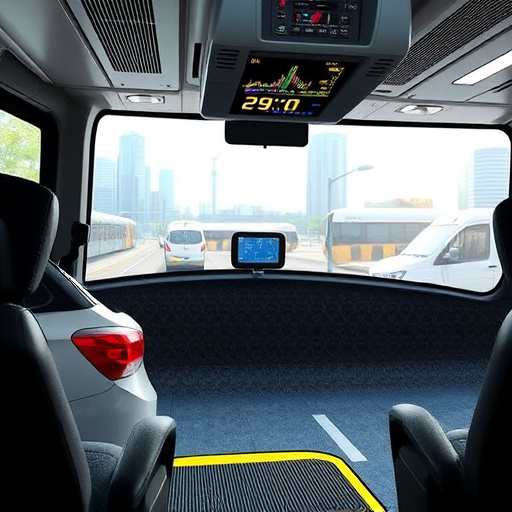
In the realm of inclusive travel, enhancing guest experiences extends beyond the traditional wine tour offerings. For regions renowned for their vibrant wine culture, like Sonoita, Arizona, providing wheelchair-accessible shuttle transport is not merely a service but a statement of commitment to diversity and accessibility. This personalized transport option ensures that guests with mobility challenges can fully immerse themselves in the local experience without barriers.
Sonoita’s natural allure and thriving wine industry create an idyllic setting for tourists seeking both relaxation and exploration. To cater to this diverse market, operators must adapt their transportation strategies. Wheelchair-accessible shuttles offer a solution that goes beyond basic accessibility; they provide comfort, convenience, and independence for guests with special needs. These shuttles, designed with attention to detail, accommodate various mobility devices while prioritizing safety and ease of transfer, fostering a sense of inclusivity rarely seen in the industry.
For instance, a study by the American With Disabilities Act (ADA) revealed that only 30% of tourist attractions nationwide offer accessible transportation options. In response, wine tour operators in Sonoita have embraced innovation, integrating accessible shuttles into their services. This proactive approach not only complies with legal standards but also boosts customer satisfaction and loyalty. By offering personalized transport, wineries can cater to a broader audience, fostering an environment where every guest feels welcomed and valued, ultimately elevating the overall wine tour experience.
Future Trends: Tech-Driven Inclusive Travel
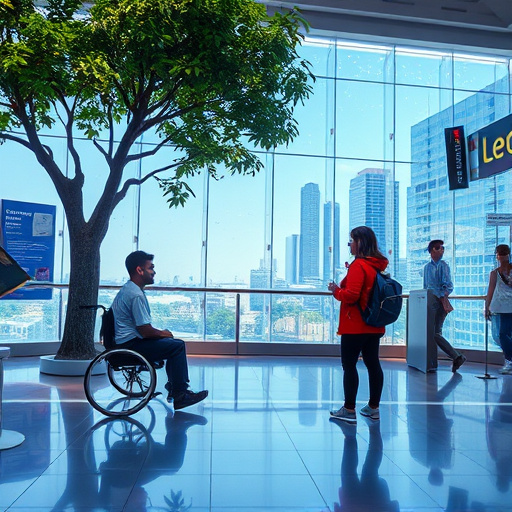
The future of travel is increasingly shaped by technology, and this evolution promises to make inclusive experiences more accessible than ever before, especially for those utilizing wheelchair-accessible transport. Wine tours in scenic locations like Sonoita naturally embody this intersection of accessibility and luxury. As the industry moves forward, tech-driven innovations will play a pivotal role in creating seamless, enjoyable journeys for all. One prominent trend involves the development of advanced navigation systems that not only guide wheelchairs through physical spaces but also provide real-time assistance, ensuring smooth transitions from point A to B.
Imagine a world where an app can alert users to potential obstacles along their route, suggest optimal paths, and even notify tour guides of specific access requirements in advance. This level of preparation paves the way for more efficient and enjoyable experiences. Additionally, autonomous vehicles are poised to revolutionize wheelchair-accessible travel. Self-driving shuttles could provide door-to-door service, eliminating concerns about driver availability and fatigue, while offering a safe and comfortable journey for those who require assistance.
Furthermore, virtual reality (VR) and augmented reality (AR) technologies hold immense potential for pre-tour planning and education. VR simulations can expose individuals to various wine tour scenarios, allowing them to acclimatize and prepare mentally. AR applications could provide contextual information about the surroundings, offering a richer sensory experience during the actual trip. These technological advancements not only promote inclusivity but also enrich the overall tourist experience, ensuring that wine tours in Sonoita or any other destination become more welcoming and enjoyable for all participants.
The article offers a comprehensive guide to ensuring accessible and inclusive wine tour experiences through wheelchair-friendly shuttle transport. Key insights include the growing demand for such services, as highlighted by the successful implementation of accessible shuttles in Wine Country. Creating optimal routes and personalized transportation enhances guest experience, particularly at wine tours Sonoita, where attention to accessibility fosters a more welcoming environment. Looking ahead, technology-driven trends promise to revolutionize inclusive travel, offering practical solutions and expanding opportunities for all. By embracing these advancements, wine tour operators can elevate their services, ensuring that everyone, regardless of mobility, can fully enjoy the vibrant and scenic experiences on offer.