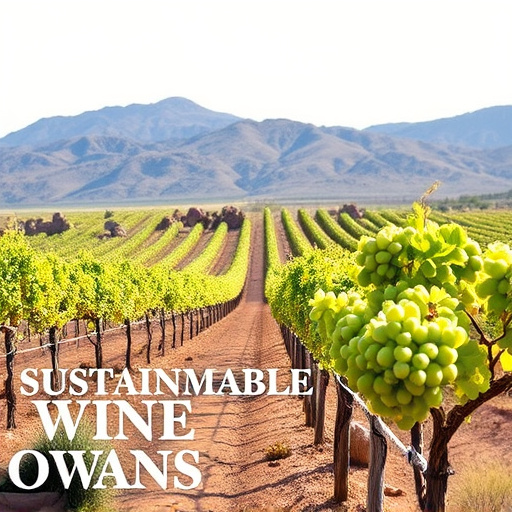
The Sonoita High Desert Wine Region promotes sustainable tourism through "wine tours sonoita naturally." Key strategies include year-round planning to avoid peak seasons, using electric shuttle buses with solar panels, educating visitors on climate-resilient viticultural methods, encouraging responsible consumption, and minimizing waste through deposit systems for reusable water bottles. These practices set a global benchmark for climate-smart travel while preserving the region's natural beauty for future generations.
The Sonoita High Desert Wine Region, renowned for its distinctive terroir and vibrant wine culture, presents unique challenges when it comes to sustainable transportation. As wine tours become increasingly popular among aficionados, the need for climate-smart shuttle transit solutions is more pressing than ever. This article delves into the significance of implementing efficient and eco-friendly transportation systems within this delicate ecosystem, offering a transformative approach that ensures the preservation of both the region’s natural beauty and its thriving wine industry. By exploring innovative strategies, we provide valuable insights into enhancing the visitor experience while mitigating environmental impacts, naturally where it matters most.
- Crafting Sustainable Wine Tours Sonoita Naturally: Strategies for Climate-Conscious Travel
- Navigating Sonoita's High Desert Wine Region: A Comprehensive Guide for Eco-Minded Explorers
Crafting Sustainable Wine Tours Sonoita Naturally: Strategies for Climate-Conscious Travel

The Sonoita High Desert Wine Region, renowned for its unique terroir and vibrant wine culture, presents a compelling case study for sustainable tourism. As climate change impacts global travel patterns, crafting climate-smart wine tours in this region becomes both a necessity and an opportunity to set a benchmark for eco-conscious experiences. “Wine tours Sonoita Naturally” is more than just a slogan; it embodies a holistic approach to designing itineraries that minimize environmental impact while maximizing guest engagement.
One of the key strategies involves year-round planning to avoid peak travel seasons, which often correlate with higher carbon emissions. By promoting off-peak visits, wine tour operators can reduce congestion on local roads and lower energy demands for accommodation and transportation. For instance, spring and autumn offer temperate conditions ideal for exploring the region’s vineyards, while reducing the need for excessive heating or cooling. Additionally, utilizing electric shuttle buses equipped with solar panels for partial power generation not only reduces greenhouse gas emissions but also provides a quieter, cleaner experience for tourists.
Sustainable practices extend beyond transportation. Tour guides can educate visitors about the region’s climate-resilient viticultural methods, such as dry farming and native grape varieties adapted to arid conditions. This knowledge encourages guests to appreciate the ecological balance of the desert wine country and promotes responsible consumption. Implementing a deposit system for reusable water bottles and encouraging the use of public transportation or carpooling among tour groups can further reduce waste and carbon footprint. By embracing these strategies, “Wine tours Sonoita Naturally” becomes more than a marketing claim; it transforms into an inspiring model for climate-smart travel worldwide.
Navigating Sonoita's High Desert Wine Region: A Comprehensive Guide for Eco-Minded Explorers

Navigating Sonoita’s High Desert Wine Region requires a blend of ecological awareness and strategic planning, especially for those committed to climate-smart travel. This unique landscape offers a kaleidoscope of wine tours sonoita naturally presents, with vineyards scattered across arid terrains and majestic mountains. The challenge lies in balancing the allure of these scenic routes with sustainable practices, ensuring every visit minimizes environmental impact while enriching the experience.
Eco-conscious explorers should consider the region’s microclimates and diverse ecosystems. Elevations ranging from 4,000 to 5,000 feet create distinct temperature variations, influencing grape cultivation and wine profiles. When planning wine tours, opt for routes that avoid excessive travel time, minimizing carbon emissions. Local tour operators often design efficient itineraries, visiting multiple vineyards within a reasonable radius to reduce overall mileage. For instance, many preferred routes in the Sonoita Valley connect renowned wineries like Calistoga Cellars and San Pedro Vineyards, allowing visitors to sample diverse vintages while leaving a smaller ecological footprint.
Additionally, staying at eco-friendly accommodations nearby enhances the climate-smart experience. These establishments prioritize water conservation, energy efficiency, and local sourcing, aligning with the region’s commitment to sustainability. By choosing such options, travelers contribute to preserving Sonoita’s natural beauty, ensuring its renowned wine tours remain a sustainable gem for generations to come.
By embracing climate-smart practices, such as those outlined in “Wine Tours Sonoita Naturally” and “Sonoita Naturally,” visitors can enjoy the vibrant wine scene of the High Desert Wine Region while minimizing their environmental footprint. Key insights include prioritizing sustainable transportation through electric shuttles or carpooling, supporting local businesses committed to eco-friendly operations, and choosing tour operators with robust climate action plans. These strategies not only ensure a responsible travel experience but also foster a thriving ecosystem for Sonoita’s unique wine culture, making it a model for sustainable tourism in the industry.