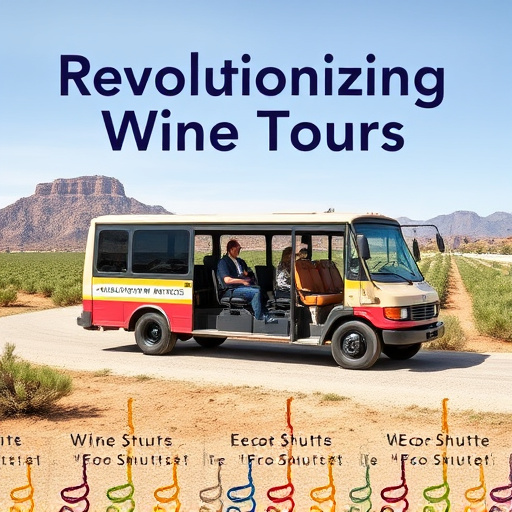
The Sonoita High Desert Wine Region prioritizes sustainable "wine tours sonoita naturally" through eco-friendly transportation: electric shuttles, optimized visitor management with ride-sharing, strategic scheduling, and staff/visitor education on responsible practices to reduce carbon footprints and preserve the environment.
The Sonoita High Desert Wine Region, renowned for its unique terroir and vibrant climate-resilient grape varieties, attracts wine enthusiasts seeking authentic experiences. However, navigating the region’s vastness for wine tours can be challenging, especially considering the environmental sensitivities that necessitate sustainable practices. Our authoritative article delves into the innovative solution of climate-smart shuttle transit, designed to enhance accessibility while minimizing ecological footprints. We explore how this approach allows visitors to immerse themselves in the region’s natural beauty and enjoy wine tours Sonoita naturally, fostering a harmonious relationship between tourism and conservation.
- Planning Sustainable Wine Tours Sonoita Naturally: Strategies for Environmental Impact Reduction
- Implementing Eco-Friendly Practices: Revolutionizing Shuttle Transit in Sonoita's High Desert Wine Region
Planning Sustainable Wine Tours Sonoita Naturally: Strategies for Environmental Impact Reduction
The Sonoita High Desert Wine Region, known for its unique terroir and vibrant ecosystem, presents a fascinating yet delicate environment for wine tourism. As the demand for wine tours in this area grows, it becomes imperative to plan and execute these experiences with a strong focus on sustainability. “Wine tours Sonoita Naturally” is not just a slogan but a necessary approach that prioritizes minimizing environmental impact while enhancing visitor engagement. This strategy is crucial for preserving the region’s natural beauty and ensuring its longevity as a premier wine destination.
One of the primary considerations in planning sustainable wine tours is transportation efficiency. Shuttles can play a pivotal role in reducing carbon emissions associated with traditional tour vehicles. By implementing a climate-smart shuttle transit system, tour operators can significantly cut down their environmental footprint. For instance, electric shuttles or those running on renewable biofuels are eco-friendly alternatives that can smoothly navigate the region’s roads, offering visitors a seamless experience while promoting ecological preservation. This approach aligns with global trends in sustainable tourism, where reducing transportation emissions is a key goal.
Additionally, tour operators should focus on optimizing visitor numbers to reduce congestion and waste. Group wine tours, carefully managed, can offer an efficient use of resources without compromising the personal experience. By encouraging shared shuttle rides among visitors, especially when returning from wine estates, tour companies can decrease traffic and fuel consumption. For example, a well-planned schedule could see multiple small groups touring different vineyards on the same day, minimizing shuttle idling time. This strategic planning not only benefits the environment but also ensures that visitors enjoy a more intimate and personalized experience of the Sonoita High Desert Wine Region.
Implementing Eco-Friendly Practices: Revolutionizing Shuttle Transit in Sonoita's High Desert Wine Region
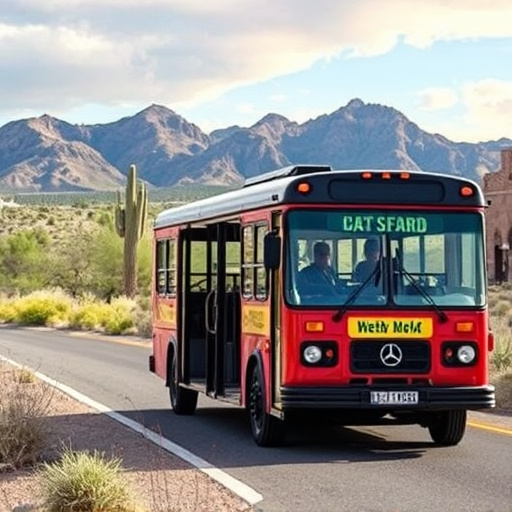
The wine industry, renowned for its allure and sustainability efforts, presents a unique challenge when it comes to transportation within scenic yet rugged regions like Sonoita’s High Desert Wine Region. Revolutionizing shuttle transit in this area is not just an environmental imperative but also a strategic move to enhance the visitor experience while promoting eco-conscious practices. By implementing climate-smart solutions, wine tour operators can significantly reduce their carbon footprint and contribute to the preservation of this delicate ecosystem.
Sonoita’s high desert landscape, characterized by its arid conditions and diverse flora, demands innovative approaches to mobility. Traditional shuttle services often rely on fossil fuels, leading to increased emissions and environmental strain. To counteract this, operators are increasingly adopting electric vehicles (EVs) for their fleets, offering a quieter, cleaner alternative. For instance, several wineries in the region have successfully transitioned to all-electric shuttles, resulting in notable reductions in greenhouse gas emissions. This shift not only aligns with global sustainability goals but also ensures that wine tours Sonoita can continue to thrive without compromising the environment.
Beyond vehicle electrification, efficient routing and optimized scheduling are pivotal strategies. Advanced algorithms can now predict passenger demand and dynamically adjust shuttle schedules accordingly. This reduces idle time and fuel consumption. Moreover, implementing a ride-sharing model for wine tours in Sonoita can significantly decrease overall emissions per passenger. By encouraging shared rides, visitors can enjoy the scenic routes while minimizing their environmental impact. Such practices not only foster a sense of community among wine enthusiasts but also position the region as a leader in sustainable tourism.
Additionally, educating both staff and visitors about sustainable practices is vital. Training programs can emphasize responsible waste management, energy conservation, and water stewardship. For example, promoting reusable water bottles and recycling initiatives can substantially curb plastic waste. As visitors engage with these practices, they become ambassadors for the region’s commitment to climate action. By embracing these eco-friendly measures, wine tour operators in Sonoita’s High Desert Wine Region are not just transforming their transportation systems but also shaping a more sustainable future for this beloved destination.
Through a comprehensive exploration of “Wine Tours Sonoita Naturally” and its environmental initiatives, this article has underscored the potential for sustainable practices to transform transit across Sonoita’s High Desert Wine Region. Key insights include the importance of strategic planning, embracing natural strategies, and implementing eco-friendly practices in shuttle services. By focusing on reduced environmental impact, we can revolutionize wine tour experiences while preserving the region’s unique ecosystem. Moving forward, adopting these climate-smart approaches is not just a responsibility but a competitive advantage, ensuring a thriving and sustainable wine tourism industry for years to come.