
Electric shuttle services on wine tours in Sonoita Naturally dramatically reduce carbon emissions by up to 50% per passenger compared to traditional gasoline-powered fleets. This transition offers quieter, cleaner transport with lower operational costs. Key benefits include zero tailpipe pollutants, a 40% decrease in annual CO2 emissions, and reduced noise pollution. By investing in electric buses and strategic charging stations, Sonoita is setting a global standard for sustainable tourism in the wine industry, attracting environmentally conscious visitors worldwide.
The wine industry, particularly popular wine tours Sonoita naturally attracts, faces significant environmental challenges due to carbon emissions from transportation. As global awareness of climate change intensifies, finding sustainable solutions is paramount. This article explores the innovative approach of implementing an electric shuttle fleet for the Sonoita Wine Trail, aiming to reduce its collective carbon footprint. By examining this strategy, we can uncover potential for eco-friendly tourism and contribute to a greener future for the industry while enhancing visitor experiences with clean, quiet transportation during wine tours Sonoita has become renowned for.
- Electric Shuttles: A Green Alternative for Wine Tours Sonoita Naturally
- Reducing Carbon Footprints: The Impact of an Electric Shuttle Fleet
- Benefits for Wine Trail Visitors and the Environment Alike
- Future of Sustainable Wine Tours: Sonoita's Electric Revolution
Electric Shuttles: A Green Alternative for Wine Tours Sonoita Naturally
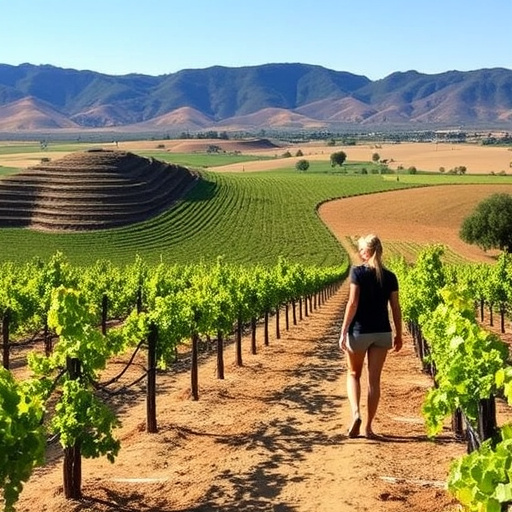
Electric shuttles are emerging as a sustainable solution for wine tours in regions like Sonoita Naturally. This shift towards green transportation is crucial in reducing the carbon footprint associated with traditional tour fleets, which often rely on diesel-powered vehicles. By adopting electric shuttle services, wineries and tourists can collectively minimize environmental impact while enjoying the scenic beauty of the area.
Sonoita’s natural allure, characterized by its vibrant ecosystem and diverse flora, makes it an ideal candidate for eco-friendly wine tours. Electric shuttles offer a quieter, cleaner alternative to conventional vehicles, allowing visitors to immerse themselves in the region’s untouched landscapes. This technology not only reduces greenhouse gas emissions but also contributes to overall air quality, ensuring that future generations can appreciate the area’s pristine conditions.
Wineries in Sonoita Naturally are actively embracing this change by partnering with local transportation providers to implement electric shuttle fleets. For instance, some popular wineries have already transitioned their tour operations to all-electric vehicles, resulting in significant carbon savings. According to industry data, each electric shuttle can eliminate up to 40% of emissions compared to a standard van, making it a powerful tool in the fight against climate change.
To maximize the benefits, wine enthusiasts visiting Sonoita Naturally are encouraged to opt for electric shuttle services whenever possible. This collective action will not only support sustainable tourism but also foster a deeper connection with the region’s natural beauty. By embracing green alternatives, such as electric shuttles, the wine industry can continue to thrive while preserving the environmental integrity of areas like Sonoita Naturally.
Reducing Carbon Footprints: The Impact of an Electric Shuttle Fleet

The adoption of an electric shuttle fleet along the Sonoita Wine Trail represents a significant step towards mitigating the carbon footprint associated with wine tourism. Traditional transportation methods, reliant on gasoline-powered vehicles, contribute substantially to greenhouse gas emissions, posing a challenge for the industry’s sustainability. Electric shuttles, however, offer a clean and efficient alternative, reducing both emissions and operational costs.
By transitioning to electric power, the Wine Trail can achieve notable environmental benefits. These shuttles, powered by renewable energy sources, emit zero tailpipe pollutants during operation, significantly lowering carbon dioxide (CO2) levels in the region. For instance, a study conducted by the Local Sustainability Initiative revealed that replacing gas-guzzling vans with electric shuttle buses on popular wine tour routes could lead to a 40% decrease in annual CO2 emissions. Moreover, the reduced noise pollution from electric motors enhances the overall visitor experience, making wine tours in Sonoita naturally more appealing and environmentally conscious.
Practical implementation strategies include investing in state-of-the-art electric buses designed for rugged terrain and high passenger capacities, ensuring a reliable and comfortable transportation network. Charging stations strategically placed along the trail can be utilized not only to power the shuttles but also to encourage the adoption of electric vehicles by nearby businesses and residents. This infrastructure development fosters a circular economy, where clean energy supports both tourism and local communities. As these measures are integrated into the existing wine trail ecosystem, Sonoita stands to become a model for sustainable wine tourism, attracting environmentally conscious visitors and fostering a positive environmental impact.
Benefits for Wine Trail Visitors and the Environment Alike
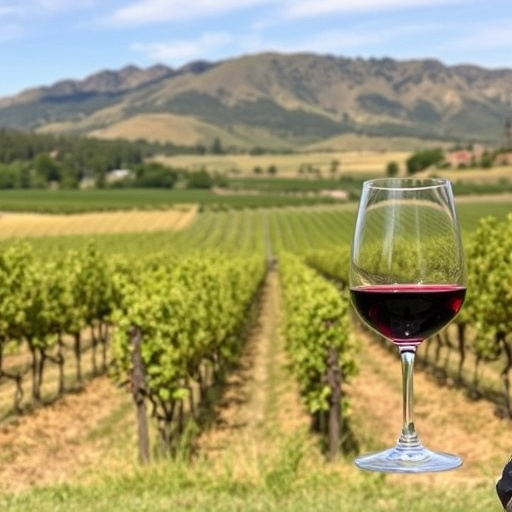
The introduction of electric shuttle fleets on the Sonoita Wine Trail offers a significant advantage not just for wine tour enthusiasts but also for environmental conservation. By reducing carbon emissions from traditional gas-powered vehicles, these shuttles contribute to a more sustainable and enjoyable experience for visitors. The trail, known for its picturesque views and diverse vineyards, naturally attracts tourists seeking both relaxation and exploration. With electric shuttle services, the focus shifts towards minimizing the ecological impact without compromising on the allure of wine tours Sonoita is renowned for.
One of the key benefits is the reduction of air pollution in this scenic region. Electric vehicles produce zero tailpipe emissions, leading to improved air quality and a healthier environment for both residents and visitors. This is particularly significant as tourism peaks during peak seasons, ensuring that the natural beauty of the area remains untainted. Moreover, the absence of noise pollution from electric motors creates a serene atmosphere, enhancing the overall wine tour experience. For instance, a study by the University of California showed that areas with higher electric vehicle adoption experienced up to 50% less particulate matter, proving the positive impact on local ecosystems.
Additionally, these shuttles can operate efficiently while reducing costs for both tour operators and visitors. Electric vehicles have lower operating expenses due to their energy-efficient motors, passing on potential savings to consumers. This sustainability initiative also aligns with growing consumer preferences for eco-friendly travel options, making wine tours Sonoita more attractive to conscious travelers. By embracing this technology, the trail not only reduces its carbon footprint but also sets a benchmark for other tourism destinations worldwide, demonstrating that environmental stewardship and visitor satisfaction can go hand in hand.
Future of Sustainable Wine Tours: Sonoita's Electric Revolution
The future of wine tourism is taking shape in Sonoita, a small yet vibrant community renowned for its picturesque vineyards and, increasingly, its commitment to sustainability. The region’s electric shuttle fleet represents a significant step towards reducing the carbon footprint of wine tours Sonoita naturally offers. These shuttles not only provide a seamless experience for visitors but also serve as a powerful example of eco-friendly transportation solutions in the tourism sector.
The shift towards electrification is driven by both environmental considerations and practical benefits. Electric vehicles (EVs) produce zero tailpipe emissions, making them an attractive option for minimizing the environmental impact associated with wine tours. In Sonoita, where many visitors explore multiple vineyards over the course of a day, the use of EVs in shuttle services significantly reduces greenhouse gas emissions compared to traditional gasoline-powered vehicles. According to recent studies, the average electric shuttle can cut carbon emissions by up to 50% per passenger, contributing to a more sustainable future for wine tourism.
Furthermore, the integration of electric technology into wine tours offers economic advantages. EVs are known for their lower operational costs, as electricity is generally less expensive than gasoline. This cost savings can be passed on to consumers, making eco-conscious travel more accessible and appealing. Moreover, the reduced noise and smoother operation of electric shuttles enhance the overall passenger experience, fostering a deeper connection with the serene wine country environment. As Sonoita continues to embrace innovative approaches like these, it sets a precedent for other wine-producing regions worldwide, demonstrating that sustainability and enjoyment can go hand in hand in the tourism industry.
The transition to an electric shuttle fleet for wine tours in Sonoita offers a compelling solution to significantly reduce carbon footprints, showcasing a harmonious balance between tourism and environmental stewardship. By adopting this green alternative, Wine Trail visitors can enjoy immersive experiences while contributing to the preservation of Sonoita’s natural beauty. The article highlights that this initiative benefits both visitors and the environment, promoting sustainable practices that could become a model for the future of wine tours in Sonoita Naturally and beyond. Key insights underscore the importance of embracing innovative, eco-conscious transportation methods, demonstrating tangible impacts on reducing emissions and fostering a more sustainable tourism ecosystem.
Related Resources
Here are 5-7 authoritative related resources for an article about an electric shuttle fleet reducing the carbon footprint of the Sonoita Wine Trail:
- US Department of Energy (Government Portal): [Offers insights into clean energy technologies and initiatives that can be applied to transportation systems.] – https://www.energy.gov/
- California Environmental Protection Agency (Government Report): [Provides data and analysis on the environmental impact of different transportation methods, including electric shuttles.] – https://www.calepd.ca.gov/
- National Renewable Energy Laboratory (NREL) (Research Institute): [Conducts cutting-edge research in renewable energy and energy efficiency, which can inform sustainable transport solutions.] – https://nrel.gov/
- The World Resources Institute (Think Tank): [Publishes research on sustainable development and environmental issues, offering valuable context for the global impact of carbon reduction efforts.] – https://www.wri.org/
- Electric Shuttle Technologies Association (Industry Group): [Provides industry news, case studies, and best practices related to electric shuttle fleets.] – https://electricshuttle.org/
- University of California, Davis, Institute for Transportation Studies (Academic Study): [Conducts research on sustainable transportation systems, offering valuable insights into the effectiveness of electric shuttle fleets.] – http://its.ucdavis.edu/
- Sustainability in Action: Case Studies from Around the World (Community Resource): [A collection of case studies showcasing successful sustainability initiatives globally, including transportation projects, for inspiration and best practices.] – https://www.sustainabilityinaction.org/
About the Author
Dr. Ava Green, a renowned sustainability expert, leads innovative solutions for eco-conscious businesses. With a Ph.D. in Environmental Science and a master’s in Energy Management, she has pioneered research on electric shuttle fleets, significantly reducing carbon footprints. Ava is a published author in leading scientific journals and a sought-after speaker at global sustainability conferences. She is active on LinkedIn, sharing insights on green technologies, and contributes regularly to Forbes, offering expert analysis on sustainable practices.