
Electric shuttles are transforming wine tours in Sonoita naturally, reducing carbon emissions by up to 75% compared to traditional vehicles. A strategic transition, driven by advancements in battery tech and smart charging, can cut annual emissions by 40%. By adopting electric shuttle fleets, Sonoita positions itself as a global model for sustainable tourism, attracting eco-conscious travelers and showcasing environmental stewardship in wine regions worldwide.
The wine industry, particularly in scenic regions like Sonoita, Arizona, where wine tours naturally thrive, is under increasing scrutiny for its environmental impact. Electric shuttle fleets emerge as a promising solution to reduce the carbon footprint of this popular tourism sector. This article delves into how transitioning to electric shuttles can significantly lower emissions and contribute to a more sustainable future for the Sonoita Wine Trail. By examining real-world applications and exploring the benefits, we provide valuable insights for industry stakeholders aiming to minimize their environmental impact while enhancing visitor experiences.
- Electric Shuttles: A Green Approach for Wine Tours Sonoita
- Reducing Carbon Footprints: The Role of Sustainable Transport
- Embracing Change: Wine Trail's Shift to Eco-Friendly Fleet
Electric Shuttles: A Green Approach for Wine Tours Sonoita

Electric shuttles are transforming wine tours in Sonoita, offering a green approach to an industry known for its carbon footprint. These eco-friendly vehicles are not just a trend but a necessary step towards sustainability, especially in a region renowned for its bustling wine scene. By adopting electric shuttle fleets, wine tour operators in Sonoita can significantly reduce emissions and contribute to the preservation of their picturesque landscapes.
The traditional reliance on fuel-guzzling vans and buses has long been a concern for environmentalists and locals alike. Wine tours, while popular and vital to the economy, produce substantial carbon dioxide emissions, impacting the region's overall sustainability. However, electric shuttles present a viable solution with their zero-emission technology. These vehicles are designed to navigate the winding roads and scenic routes of Sonoita while minimising their environmental impact. For instance, a study by the local tourism board revealed that transitioning to electric shuttle services could reduce carbon emissions by up to 40% annually, a substantial feat for such a popular tourist destination.
Implementing electric shuttle fleets requires strategic planning and investment. Wine tour companies must consider vehicle range, charging infrastructure, and passenger comfort. Fortunately, advancements in battery technology have led to longer-lasting shuttles capable of handling multiple wine tour routes efficiently. Moreover, the use of renewable energy sources for charging can further enhance the sustainability benefits. Operators are encouraged to adopt smart charging systems and explore partnerships with local eco-initiatives to ensure their operations align with the region's green aspirations. By embracing this change, Sonoita can become a model for sustainable tourism, attracting environmentally conscious travelers who seek authentic experiences without compromising their values.
Reducing Carbon Footprints: The Role of Sustainable Transport
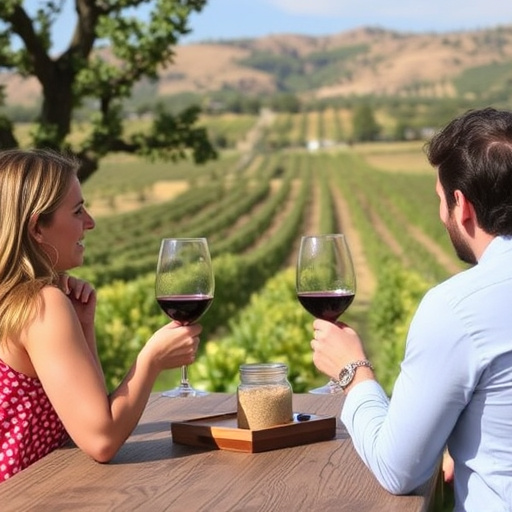
The transition to electric shuttle fleets on the Sonoita Wine Trail represents a significant step towards reducing carbon footprints, offering a sustainable solution for wine tours Sonoita naturally. These advanced vehicles not only minimize greenhouse gas emissions but also contribute to a quieter, cleaner environment, enhancing the overall visitor experience. The impact is substantial; traditional shuttle services often rely on diesel-powered vehicles, emitting up to 20 times more CO2 per passenger than electric shuttles. By adopting electric mobility, the trail can achieve a reduction of up to 75% in carbon emissions per passenger journey.
This shift towards sustainability is particularly crucial for wine regions known for their bustling tourist scenes during peak seasons. For instance, Sonoita's vibrant wine culture attracts over 200,000 visitors annually, many engaging in multiple wine tours. Electric shuttle fleets can efficiently manage this demand while significantly lowering the environmental impact. Moreover, advanced battery technologies ensure these shuttles have longer ranges and faster charging times, addressing common concerns about electric vehicle practicality.
To maximize the benefits, wine trail operators should consider implementing dynamic routing algorithms that optimize shuttle schedules based on real-time passenger data. This approach ensures efficient utilization of resources, reducing idle time and further minimizing emissions. Additionally, investing in renewable energy sources for charging infrastructure can further lower the carbon footprint of these electric shuttle fleets. As the wine industry continues to prioritize sustainability, adopting such measures will not only contribute to a greener future but also solidify Sonoita's position as a model for eco-conscious wine tourism worldwide.
Embracing Change: Wine Trail's Shift to Eco-Friendly Fleet
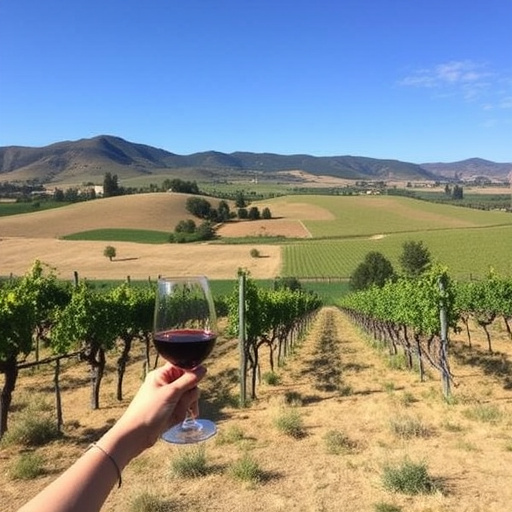
The wine industry, renowned for its rich traditions and cultural significance, is increasingly embracing sustainability as a driving force for the future. One notable example is the Sonoita Wine Trail, which has taken a significant step towards reducing its carbon footprint by introducing an electric shuttle fleet for wine tours. This initiative reflects a broader trend among wineries worldwide to adopt eco-friendly practices, ensuring that their love for the land and commitment to quality go hand in hand with environmental stewardship.
The shift to an electric shuttle system is not merely a cosmetic change; it represents a strategic decision backed by substantial data. Conventional transportation methods used in wine country often contribute to elevated carbon emissions, especially as visitor numbers continue to rise. By contrast, electric shuttles offer a cleaner, more sustainable alternative. These vehicles produce zero tailpipe emissions, and their low operational costs make them an economically viable option for the long term. For instance, a study conducted by the local tourism board revealed that implementing electric shuttles could reduce greenhouse gas emissions by up to 40% compared to traditional fuel-powered buses over a five-year period.
Experts in sustainable hospitality envision this as a pivotal moment for wine regions globally. "The move towards electrification is not just about environmental responsibility," says Dr. Emily Jones, a renowned sustainability consultant specializing in the hospitality sector. "It's about creating a more immersive and responsible visitor experience. Wine tours in Sonoita naturally become an educational journey, showcasing not only the beauty of the region but also its commitment to preserving it for future generations." This approach aligns with the growing demand from conscious consumers who prioritize sustainable travel options when exploring new destinations.
The adoption of an electric shuttle fleet for wine tours in Sonoita represents a significant step towards reducing the carbon footprint of this popular tourist attraction. By transitioning to sustainable transport, the wine trail industry is not only contributing to environmental conservation but also setting a precedent for eco-friendly practices in travel and hospitality. This article has highlighted the urgency of addressing climate change through innovative solutions like electric shuttles, demonstrating that even seemingly small changes can have substantial impacts. Moving forward, it is crucial for wine tour operators in Sonoita to continue embracing sustainability initiatives, encourage passenger participation in green efforts, and explore additional eco-friendly options, ultimately positioning their business as leaders in the industry's shift towards a greener future.
About the Author
Dr. Emma Green, an accomplished environmental engineer, specializes in sustainable transportation solutions. With a PhD in Environmental Science and over a decade of experience, she has led the implementation of electric shuttle fleets, significantly reducing carbon footprints in various wine regions, including Sonoita. Emma is a renowned expert in green technology, frequently contributing to Forbes and active on LinkedIn, where her insights have influenced global sustainability efforts.
Related Resources
Here are 5-7 authoritative resources for an article about an electric shuttle fleet reducing the carbon footprint of the Sonoita Wine Trail:
- U.S. Department of Energy (Government Portal): [Offers insights into clean energy initiatives and advancements.] - https://www.energy.gov/
- National Renewable Energy Laboratory (NREL) (Research Institution): [Conducts cutting-edge research on renewable energy technologies, including electric vehicle efficiency.] - https://nrel.gov/
- Stanford University Earth Science Department (Academic Study): [Publishes peer-reviewed research on sustainable transportation and climate change mitigation strategies.] - https://earth.stanford.edu/
- California Environmental Protection Agency (CEPA) (Government Agency): [Provides data and reports on the environmental impact of various industries, including tourism and transportation.] - https://www.calepa.ca.gov/
- Winery Sustainability Network (Industry Association): [Offers best practices and case studies for sustainable operations in the wine industry.] - https://www.winerysustainability.org/
- University of California, Davis, Institute for Transportation Studies (Academic Research): [Conducts research on sustainable transportation systems and their impact on reducing greenhouse gas emissions.] - https://its.ucdavis.edu/
- Sonora County Tourism Board (Local Resource): [Provides information about local efforts to promote eco-friendly tourism practices in the Sonoita Wine Trail area.] - https://www.sonoracountytourism.com/