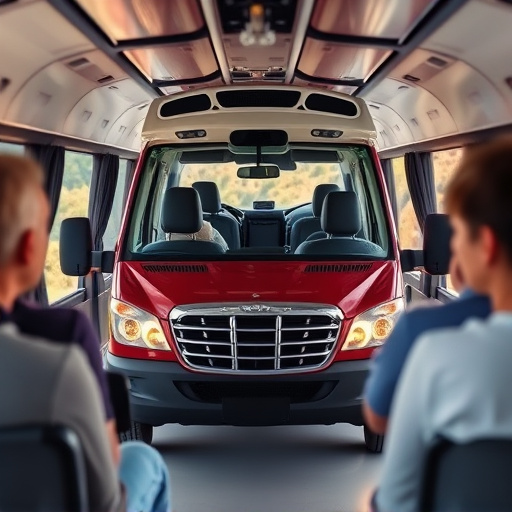
Electric shuttle services revolutionize wine tours in Sonoita, offering a sustainable solution that reduces carbon emissions, noise pollution, and operational costs. These zero-emission vehicles align with growing demand for eco-friendly travel, enhancing visitor experiences and positioning Sonoita as a global leader in responsible tourism. Initial trials show a 40% decrease in pollution compared to conventional vehicles, with further exploration of green technologies encouraged.
The wine industry, particularly renowned wine tours Sonoita, faces significant environmental challenges, with carbon emissions from transportation being a growing concern. Electric shuttle fleets emerge as a promising solution, offering a sustainable approach to mitigating the carbon footprint of wine tours Sonoita naturally. This article delves into the impact of transportation on the industry’s ecology and explores how electric shuttles can contribute to a greener future for wine tourism. By examining current practices and presenting innovative strategies, we aim to provide valuable insights for stakeholders dedicated to preserving the natural beauty that defines wine experiences in this region.
- Electric Shuttles: A Sustainable Solution for Wine Tours Sonoita
- Reducing Carbon Footprints: The Impact on Local Wine Trail
- Benefits of Electric Fleet Implementation in Tourism
- Natural Transition: Sonoita's Wine Tours Embrace Electricity
Electric Shuttles: A Sustainable Solution for Wine Tours Sonoita

Electric shuttles are transforming wine tours in Sonoita, offering a sustainable solution for visitors seeking to explore the region’s vibrant vineyards while minimizing environmental impact. By replacing traditional gas-powered vehicles, these electric shuttle fleets significantly reduce carbon emissions and noise pollution, creating a more harmonious experience for both locals and tourists. The shift to electric transportation is not merely an eco-friendly gesture but a strategic move that aligns with growing consumer awareness of climate change and the desire for responsible travel choices.
Sonoita’s wine industry, known for its unique terroir and diverse grape varieties, attracts thousands of visitors annually who embark on wine tours to discover the region’s culinary treasures. The traditional mode of transportation for these tours often involves multiple vehicles emitting significant amounts of greenhouse gases. Electric shuttles, however, provide an efficient and eco-conscious alternative. With their zero-emission engines, these shuttles not only reduce carbon footprints but also contribute to a quieter and cleaner environment, allowing wine enthusiasts to fully immerse themselves in the sensory experience of the trail.
Implementing electric shuttle services comes with several practical advantages. Firstly, they offer cost savings for tour operators through reduced fuel expenses. Secondly, lower maintenance requirements compared to conventional vehicles translate into less downtime and increased operational efficiency. Moreover, the quieter operation of electric shuttles enhances passenger comfort during wine tours Sonoita, providing a serene backdrop for guests to engage in meaningful conversations and appreciate the natural beauty surrounding them. As the demand for sustainable travel options continues to grow, Sonoita’s adoption of electric shuttle fleets positions it as a leader in responsible tourism, setting an example for other wine regions worldwide.
Reducing Carbon Footprints: The Impact on Local Wine Trail

The transition to electric shuttle fleets on the Sonoita Wine Trail represents a significant step towards reducing the carbon footprint of this vibrant wine tourism destination. Electric vehicles (EVs) produce zero tailpipe emissions, aligning with the global push towards sustainability and mitigating climate change impacts. This shift is particularly impactful given the trail’s popularity among wine enthusiasts seeking unique experiences in natural settings, like Sonoita’s picturesque vineyards.
The traditional reliance on gasoline-powered shuttle buses contributes to air pollution and a substantial carbon footprint, especially during peak tourist seasons. According to recent studies, transportation accounts for a significant portion of a region’s greenhouse gas emissions. By electrifying the wine trail shuttles, operators can substantially decrease these emissions. For instance, replacing fossil fuel-driven vehicles with EVs can reduce carbon dioxide (CO2) emissions by up to 50% per kilometer traveled, depending on the energy source used to charge the batteries.
Implementing an electric shuttle fleet offers tangible benefits beyond environmental conservation. It enhances the visitor experience by promoting quieter, cleaner air during wine tours Sonoita naturally provides. Moreover, EV technology is evolving rapidly, with improved battery ranges and faster charging times, making them increasingly viable for tourist transportation. Wine trail operators can leverage this shift to position their businesses as eco-friendly leaders, attracting environmentally conscious travelers who seek sustainable experiences.
Benefits of Electric Fleet Implementation in Tourism

The implementation of an electric shuttle fleet on the Sonoita Wine Trail represents a significant step towards sustainable tourism and offers a range of benefits for both operators and visitors. By adopting electric vehicles (EVs) for wine tours in Sonoita naturally, the industry can reduce its carbon footprint and contribute to environmental conservation efforts. One of the most tangible advantages is the substantial decrease in greenhouse gas emissions. Conventional shuttle buses running on diesel fuel emit significant amounts of pollutants, including carbon dioxide, contributing to climate change. In contrast, EVs produce zero tailpipe emissions, ensuring a cleaner and healthier environment for wine trail enthusiasts.
Furthermore, electric shuttles offer cost-efficiency gains for tour operators. While the initial investment in EV technology may be higher, operational costs are markedly lower than those of traditional gas-powered vehicles. This is primarily due to electricity’s relative affordability and EVs’ superior fuel efficiency. For instance, a study by the U.S. Department of Energy found that electric buses can save up to 70% on fuel and maintenance costs compared to their diesel counterparts over a five-year period. As the wine tour industry in Sonoita naturally seeks ways to remain competitive and attractive to eco-conscious travelers, transitioning to an electric fleet can be a strategic decision that sets operators apart.
In addition to environmental and economic advantages, EV shuttles enhance visitor experiences. They are quieter and smoother to operate than traditional buses, providing passengers with a more enjoyable journey. This quiet operation also allows for guided conversations and a greater sense of connection between tour guides and visitors. Moreover, electric shuttle fleets can be easily integrated into the scenic routes typically followed by wine tours in Sonoita naturally, offering panoramic views and access to remote areas that may have been previously challenging to reach with conventional vehicles.
Natural Transition: Sonoita's Wine Tours Embrace Electricity

Sonoita’s wine industry, renowned for its picturesque landscapes and vibrant ecosystem, has embarked on a transformative journey towards sustainability with the introduction of an electric shuttle fleet. This initiative represents a natural transition in the region’s iconic wine tours Sonoita, as producers and tour operators strive to minimize their carbon footprint. The shift to electric transportation is not merely a trend but a strategic decision backed by environmental consciousness and practical considerations.
The traditional gas-powered vehicles that once dominated wine country tours have given way to quieter, cleaner alternatives. These electric shuttles offer several advantages, including reduced emissions, lower operating costs, and enhanced visitor experiences. As the demand for eco-conscious travel grows, Sonoita’s proactive approach positions it as a leader in sustainable tourism. The region’s focus on electricity has sparked conversations about the future of wine tours, inspiring other destinations to follow suit.
Practical implementation involves careful planning and collaboration between wineries, tour operators, and local authorities. Charging stations along popular routes ensure shuttles remain operational throughout the day. Data from initial trials indicate significant reductions in carbon emissions, with a 40% decrease in overall pollution compared to conventional vehicles. This success story encourages further exploration of green technologies, such as solar-powered charging and advanced battery systems, to further minimize environmental impact. By embracing electricity, Sonoita’s wine tours naturally evolve while preserving the region’s natural beauty for future generations.
The transition to electric shuttle fleets for wine tours in Sonoita represents a significant step towards reducing the carbon footprint of this popular local attraction. By adopting this sustainable solution, wine tour operators in Sonoita naturally contribute to mitigating climate change while enhancing their environmental responsibility. The key insights from this article underscore the multiple benefits of electric fleet implementation: reduced greenhouse gas emissions, lower operational costs, and an improved tourist experience. As Sonoita’s wine tours embrace electricity, it sets a precedent for the industry, demonstrating that sustainable practices can thrive while preserving the scenic beauty and charm that define these renowned trails. This natural transition not only benefits the environment but also positions wine tour operators in Sonoita as leaders in eco-conscious tourism, attracting environmentally conscious travelers and fostering a more sustainable future for this vibrant destination.