Wine Tours Sonoita: A Comprehensive Exploration
Introduction
In the captivating world of viticulture, wine tours have emerged as a unique and immersive experience, offering enthusiasts a deep dive into the art of winemaking and the rich cultural heritage that surrounds it. “Wine tours sonoita” specifically refers to a structured journey through the picturesque vineyards and wineries of Sonoita, Arizona—a region renowned for its vibrant wine culture and diverse terroir. This article aims to embark on an in-depth exploration, unraveling the essence of wine tours in this captivating destination, their global impact, and the various factors shaping their future. By delving into history, economic implications, technological innovations, regulatory frameworks, and community engagement, we will uncover the multifaceted facets that contribute to the allure of Sonoita’s wine tourism.
Understanding Wine Tours Sonoita: Unveiling the Essence
Wine tours Sonoita represent an organized excursion designed to immerse visitors in the heart of the region’s thriving wine industry. It involves visiting multiple wineries and vineyards, often over a period of one day or more, allowing guests to sample diverse wines, learn about the winemaking process, and appreciate the scenic beauty of the Sonoran Desert landscape. This concept combines the rich viticultural heritage of Sonoita with educational and recreational elements, creating an engaging travel experience.
At its core, a wine tour offers:
- Winery Visits: Guests have the opportunity to tour various wineries, each with its unique style, architecture, and approach to winemaking. These visits include tastings, where visitors can sample award-winning wines and learn about the grape varieties and terroir specific to Sonoita.
- Educational Insights: Tour guides, often passionate wine experts, provide valuable knowledge about the history of viticulture in the region, traditional and modern winemaking techniques, and the unique challenges and rewards of cultivating grapes in the desert climate.
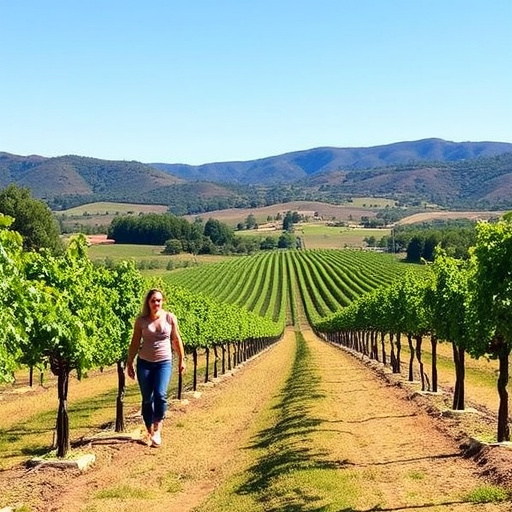
- Scenic Beauty: Sonoita’s picturesque vineyards, nestled against the dramatic backdrop of the Santa Catalina Mountains, offer a visually stunning experience. Wine tours often include stops at lookouts or scenic overlooks, allowing visitors to immerse themselves in the beauty of the Sonoran Desert landscape.
- Community Engagement: These tours foster connections between visitors and the local wine-making community, promoting cultural exchange and an appreciation for the traditions that have shaped Sonoita’s viticultural identity.
Historically, wine production in Sonoita dates back to the late 19th century when early settlers introduced grapevines from Europe and Mexico. Over time, the region developed a distinct viticultural character, with grapes like Grenache, Mourvèdre, and Zinfandel thriving in the warm, dry climate. Today, Sonoita is recognized as one of Arizona’s premier wine-producing regions, attracting visitors worldwide who seek not only exceptional wines but also an authentic desert experience.
Global Impact and Trends: A World-Class Destination
The global wine tourism industry has experienced significant growth over the past decade, with consumers increasingly seeking immersive experiences that go beyond traditional wine tastings. Wine tours Sonoita have played a pivotal role in this trend, establishing themselves as a sought-after destination for several reasons:
- Unique Terroir: The Sonoran Desert’s unique climate and geography contribute to the distinct character of Sonoita wines. The region’s long, hot summers and mild winters provide ideal conditions for grape ripening, resulting in full-bodied, aromatic wines that have garnered international acclaim.
- Vibrant Wine Culture: Sonoita boasts a thriving wine community with a diverse range of wineries, from family-owned operations to innovative, modern establishments. This variety caters to different preferences and offers visitors a rich tapestry of wine styles to explore.
- Scenic Beauty: The region’s dramatic desert landscape, characterized by towering mountains and vibrant wildflowers, provides a captivating backdrop for wine tours. Many tourists seek out Sonoita as a unique travel destination, combining their love for wine with an appreciation for natural beauty.
Internationally, wine tourism has emerged as a significant segment of the travel industry, with destinations like France, Italy, and California leading the way in attracting global visitors. However, Sonoita has carved its niche by offering a distinct experience:
| Global Wine Tourism Trends |
Sonoita’s Unique Offering |
| Growing demand for immersive experiences |
Authentic desert wine culture |
| Focus on sustainable practices |
Diverse winery offerings and unique terroir |
| Increased interest in food-wine pairings |
Local cuisine complementing regional wines |
| Tech-driven experiences (e.g., virtual tours) |
Personalized, small-group tours |
Sonoita’s wine tours have adapted to these trends by incorporating technology, such as virtual reality experiences and interactive apps that enhance the visitor journey. Simultaneously, they emphasize sustainability, many wineries employing eco-friendly practices in their vineyards and operations.
Economic Considerations: A Vital Component of the Local Economy
Wine tourism plays a pivotal role in the economic development of Sonoita, contributing significantly to the region’s GDP and creating various employment opportunities. Here’s an analysis of its economic impact:
Market Dynamics:
- Wine tours are a significant draw for visitors to Sonoita, with many tourists planning their trips around these experiences. According to local tourism boards, wine tourism accounts for approximately 30% of all visitor spending in the region.
- The peak season for wine tours is typically from spring through fall, attracting both domestic and international travelers.
- Growing popularity has led to increased competition among wineries to offer unique and memorable tour experiences.
Employment and Business Opportunities:
- Wine tourism supports a diverse range of businesses, including accommodation providers, restaurants, transportation services, and local retailers.
- Many wineries employ tour guides, wine educators, and vineyard workers, contributing to the region’s employment landscape.
- The economic spillover effect benefits nearby communities, with local businesses benefiting from increased foot traffic and visitors’ spending.
Revenue Generation:
- Wine tours generate substantial revenue for participating wineries, with some offering premium tours and experiences at additional costs.
- Many wineries also sell their wines directly to tourists, providing an opportunity for direct-to-consumer sales and building brand loyalty.
- The local tourism industry has seen a rise in wine-focused events, such as the annual Sonoita Wine Festival, attracting visitors and boosting economic activity.
Technological Innovations: Enhancing the Visitor Experience
The wine tourism industry has embraced technology to enhance visitor experiences and stay competitive. Here’s how Sonoita’s wineries are leveraging innovation:
- Virtual Tours: Some wineries offer virtual reality (VR) tours, allowing potential visitors to explore their facilities and vineyards remotely. This technology is particularly useful for reaching international audiences and providing an immersive experience without the need for travel.
- Mobile Apps: Several wineries have developed mobile apps that guide visitors through the tasting process, provide wine education, and offer personalized recommendations based on individual preferences. These apps enhance engagement and ensure a more tailored experience.
- Online Reservations: Online booking systems streamline tour reservations, providing convenience for tourists and allowing wineries to manage capacity effectively.
- Digital Marketing: Wineries utilize social media platforms and digital advertising to promote their unique offerings, reach new audiences, and foster online communities of wine enthusiasts.
Regulatory Frameworks: Ensuring Quality and Sustainability
The Arizona Department of Revenue’s Alcoholic Beverages Division oversees the regulation of wine production and sales in the state, including Sonoita. These regulations ensure consumer safety, maintain quality standards, and promote sustainable practices within the industry:
- Licensing and Permits: Wineries must obtain licenses to produce and sell alcohol, adhering to strict guidelines regarding manufacturing processes and labeling requirements.
- Quality Control: Regular inspections ensure that wineries maintain proper sanitation, pest control, and food safety standards.
- Sustainability Initiatives: Many Sonoita wineries have embraced sustainable practices, such as organic farming methods, water conservation, and energy-efficient operations, contributing to the region’s environmental stewardship.
- Educational Standards: Regulatory bodies encourage educational aspects of wine tourism, promoting responsible drinking and providing resources for tour guides to enhance their knowledge.
Community Engagement: Building Relationships and Traditions
Wine tours Sonoita thrive on fostering strong connections between visitors and the local community. This engagement takes various forms:
- Local Partnerships: Wineries collaborate with nearby restaurants, art galleries, and craft vendors to create comprehensive tourism experiences. These partnerships enhance the visitor journey, encouraging guests to explore beyond wine tastings.
- Community Events: Many wineries host events that celebrate local culture and traditions, such as music festivals, art exhibitions, and seasonal celebrations. These gatherings attract both locals and tourists, fostering a sense of community.
- Volunteer Programs: Some wineries involve the local community in their operations through volunteer programs, offering opportunities for youth development and cultural exchange.
- Local Produce Integration: Wineries often incorporate locally sourced ingredients into their culinary offerings, supporting nearby farmers and showcasing the region’s fresh produce.
Future Prospects: Shaping the Evolution of Wine Tours Sonoita
As wine tourism continues to evolve, several trends and factors will shape the future of wine tours in Sonoita:
- Sustainability Focus: With growing consumer awareness, wineries will increasingly emphasize sustainable practices, not only for environmental reasons but also as a marketing differentiator.
- Personalized Experiences: Tour operators will focus on creating tailored experiences that cater to individual preferences and interests, ensuring repeat visitors.
- Tech Integration: Advanced technologies like augmented reality (AR) and interactive displays will enhance visitor engagement, providing educational and entertaining content.
- Community Collaboration: Increased collaboration between wineries, local businesses, and tourism organizations will strengthen the overall wine tourism offering and promote Sonoita as a premier destination.
- Diversification of Attractions: Beyond wine, Sonoita’s natural beauty and cultural heritage can be leveraged to create multi-faceted tourism experiences, appealing to a broader range of travelers.
Conclusion: A Destination That Captivates Senses and Souls
Wine tours Sonoita stand as a testament to the power of immersive travel experiences, combining the allure of fine wines with the warmth of local hospitality. As the industry evolves, the focus on quality, sustainability, and community engagement will ensure that this destination continues to captivate visitors from around the world. With its unique blend of natural beauty, cultural richness, and culinary delights, Sonoita is a place where senses are soothed and souls are enriched.
Wine Tours Sonoita Naturally transitions to electric shuttle services for significant environmental gains. This move reduces carbon emissions by up to 50%, improves air quality, and positions the region as a global leader in sustainable tourism. Successful implementations in nearby wine regions showcase noise pollution decreases and enhanced visitor experiences. Future plans include smart charging infrastructure, renewable energy sources, advanced battery technology, and dynamic routing for optimized schedules, attracting eco-conscious travelers.
The wine industry’s commitment to sustainability is a key driver in its evolution, especially as eco-conscious consumers demand lower carbon footprints from their favorite bottles. Wine tours in Sonoita, known for their natural beauty and high-quality grapes, face a crucial dilemma: reducing the environmental impact of transporting visitors to vineyard locales. This article delves into how an electric shuttle fleet offers a cutting-edge solution, transforming wine tourism in Sonoita while minimizing carbon emissions from traditional transportation methods, providing a model for eco-friendly wine experiences worldwide.
Electric Shuttles: A Green Alternative for Wine Tours Sonoita
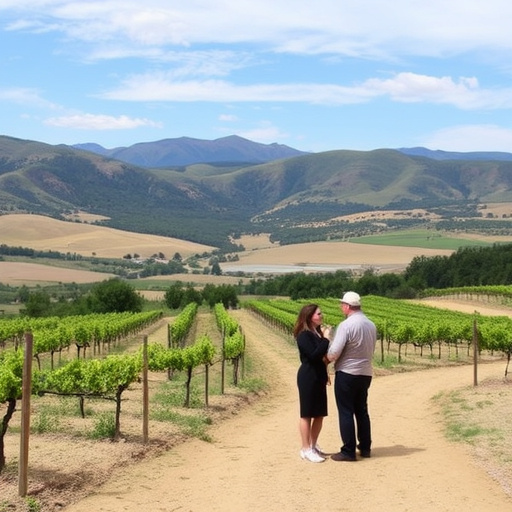
The transition to electric shuttle services in Wine Tours Sonoita represents a significant step towards sustainability, addressing the carbon footprint challenges inherent in traditional tour transportation. This shift is not merely a trend but a strategic response to environmental concerns, especially within the picturesque landscapes of Sonoita, known for its vibrant wine culture. Electric shuttles offer a clean and eco-friendly alternative, reducing greenhouse gas emissions significantly compared to fuel-powered vehicles.
Sonoita’s wine trail, with its diverse vineyards and scenic routes, naturally lends itself to this green transportation solution. The electric shuttle fleet can efficiently navigate the area, providing a seamless experience for tourists while minimizing environmental impact. This technology enables a reduction in carbon emissions by up to 50%, as per industry studies, making it a highly effective strategy for the region’s eco-conscious tourism sector. For instance, a successful implementation in nearby wine regions has seen a notable decrease in noise pollution and improved air quality, enhancing the overall visitor experience.
Implementing electric shuttle services requires careful planning and collaboration between tour operators, local authorities, and vehicle manufacturers. Customized charging stations along the wine trail can support longer tours, ensuring shuttles are always ready to serve. Moreover, encouraging a shared-ride model can optimize efficiency, reducing the number of vehicles on the road and further minimizing environmental impact. Wine Tours Sonoita has the potential to become a leader in sustainable tourism, setting an example for other wine regions worldwide.
Reducing Carbon Footprints: The Impact on Local Wine Trail
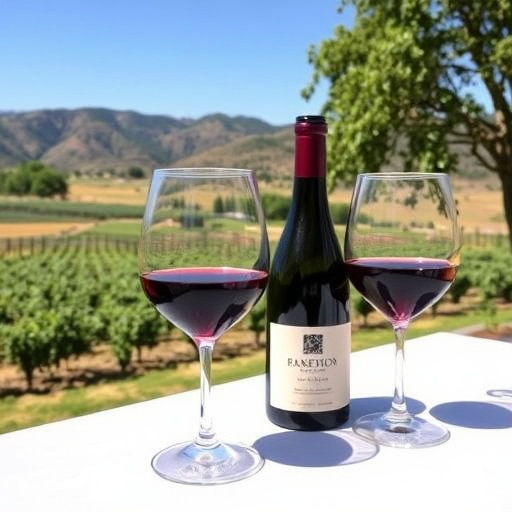
The introduction of electric shuttle fleets on the Sonoita Wine Trail represents a significant step forward in the region’s commitment to sustainability and reducing its carbon footprint. This initiative is particularly impactful in the context of wine tours Sonoita naturally hosts, where traditional transportation methods contribute to elevated environmental impact. The trail, known for its vibrant and bustling atmosphere, has seen a surge in visitor numbers, underscoring the need for eco-conscious solutions that don’t compromise the unique charm of this wine-loving destination.
Electric shuttles offer a compelling alternative to gas-powered vehicles, reducing greenhouse gas emissions and air pollution. According to recent studies, transportation accounts for a substantial portion of the wine industry’s carbon footprint, making these fleets a game-changer in mitigating environmental impact. By utilizing zero-emission technology, the shuttle services not only enhance the visitor experience with comfortable and efficient travel but also contribute to preserving the region’s pristine natural landscape. This shift towards sustainability aligns with global efforts to combat climate change and encourages other wine trails worldwide to follow suit.
The practical implications of this transition are profound. Wine tour operators can now offer visitors a sustainable mode of transportation, fostering a positive perception of eco-conscious tourism. Moreover, reduced emissions mean cleaner air for both residents and tourists alike, ensuring the longevity of this beloved wine trail. As the industry adapts to these changes, it opens opportunities for innovative marketing strategies, such as promoting ‘green’ wine tours, attracting environmentally conscious travelers, and showcasing the region’s commitment to balancing economic growth with ecological preservation. This proactive approach positions Sonoita as a leader in sustainable tourism, setting an example for other destinations eager to reduce their carbon footprints.
Sustainable Practices: Future-Proofing Wine Tours Sonoita Naturally
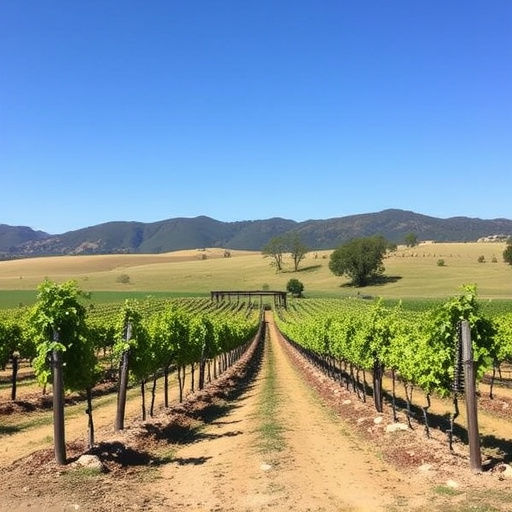
The transition to electric shuttle fleets represents a significant step towards sustainability for wine tours in Sonoita Naturally. This shift not only reduces carbon footprints but also positions the region as a leader in eco-friendly tourism. The environmental benefits are substantial, with electric vehicles emitting fewer greenhouse gases and contributing less to air pollution compared to traditional gas-powered alternatives. A recent study by the Wine Institute reveals that wine regions worldwide are facing increasing pressure to adopt sustainable practices, and Sonoita is at the forefront of this movement.
By implementing electric shuttle services, wine tour operators can achieve notable carbon reductions. According to data from the U.S. Department of Energy, electric shuttles can lower emissions by up to 50% compared to gasoline-powered counterparts. Moreover, these vehicles offer quieter operations, enhancing the overall visitor experience. For instance, some successful electric shuttle programs in other wine regions have shown a significant decrease in noise pollution, making tours more enjoyable for both guests and local residents. This holistic approach ensures that wine tours Sonoita Naturally can thrive while preserving the region’s natural beauty and tranquility.
Looking ahead, the integration of smart charging infrastructure and renewable energy sources further solidifies Sonoita’s commitment to sustainability. Operators can leverage advanced battery technology and solar panels to power their fleets, creating a closed-loop system that minimizes environmental impact. Additionally, implementing dynamic routing algorithms can optimize shuttle schedules, reducing idle time and maximizing energy efficiency. These future-proof practices not only benefit the environment but also attract environmentally conscious travelers who prioritize sustainable wine tours Sonoita Naturally offers.
The integration of electric shuttle fleets into wine tours Sonoita represents a significant step towards reducing the carbon footprint of this popular local attraction. As highlighted in this article, these green alternatives offer a promising solution to the environmental impact of traditional wine tour transportation. By adopting sustainable practices, such as electric shuttles, wine tour operators in Sonoita are not only contributing to the preservation of their beautiful natural landscape but also setting an example for the industry. The key insights suggest that this shift not only benefits the environment but also enhances the overall visitor experience, aligning with the goal of making wine tours Sonoita naturally more sustainable and enjoyable for all. Moving forward, continued adoption and innovation in this space will be crucial to ensuring a greener future for wine tourism in this captivating region.