
Wine tours in Sonoita, Arizona, can be both enjoyable and environmentally responsible by adopting sustainable transportation options like electric shuttles powered by renewable energy. These practices reduce carbon emissions, minimize fuel consumption, and preserve the region's natural charm for future generations. By focusing on eco-friendly shuttle services, real-time route optimization, and education on environmental benefits, wine tour providers in Sonoita can offer truly responsible experiences that cater to the growing demand for sustainable travel.
As wine tourism gains popularity, the need for sustainable travel options becomes increasingly vital. Wine tours, particularly in scenic regions like Sonoita, offer a unique blend of ecological beauty and cultural immersion. However, traditional transportation methods contribute to environmental impact. This article delves into eco-friendly shuttle solutions designed explicitly for wine tour experiences. We explore how these innovative approaches not only minimize the carbon footprint but also enhance the overall visitor experience, fostering a harmonious relationship between tourism and nature in Sonoita’s vibrant landscape.
- Understanding the Impact: Sustainable Wine Travel Essentials
- Eco-Friendly Transport Choices for Wine Tour Enthusiasts
- Exploring Green Options in Sonoita's Natural Surroundings
- Efficient and Ethical Wine Tour Logistics: A Comprehensive Guide
- Embracing Sustainability: The Future of Wine Tour Experiences
Understanding the Impact: Sustainable Wine Travel Essentials
Wine tours, especially in picturesque regions known for their lush vineyards, have long been a delightful experience for oenophiles. However, as global awareness of environmental sustainability grows, it’s crucial to understand the impact of travel choices on these delicate ecosystems. Sustainable wine tourism involves minimizing the ecological footprint while immersing oneself in the rich cultural heritage and natural beauty of wine-producing areas like Sonoita, Arizona. The region’s scenic landscapes and thriving viticulture offer a unique opportunity for eco-conscious travelers to explore without compromising their values.
One of the key aspects to consider is transportation. Traditional shuttle services often rely on fossil fuels, contributing to carbon emissions. Shifting to eco-friendly options can significantly reduce this impact. Electric shuttles or those powered by renewable energy sources are ideal alternatives. For instance, some wineries in Sonoita have adopted electric buses for their tours, ensuring a quieter, cleaner experience for visitors while promoting sustainability. This shift not only reduces pollution but also fosters a more peaceful ambiance amidst the natural beauty of the region.
Additionally, operators should emphasize efficient routing and capacity utilization to minimize fuel consumption and maximize passenger comfort. Implementing strategic stop schedules allows for optimized routes, reducing travel time and energy usage. By adopting such practices, wine tour providers can offer a truly sustainable experience that aligns with the essence of Sonoita’s natural charm. Travelers can enjoy the region’s vibrant ecosystem and cultural offerings while feeling confident in their role as responsible stewards of the environment.
Eco-Friendly Transport Choices for Wine Tour Enthusiasts
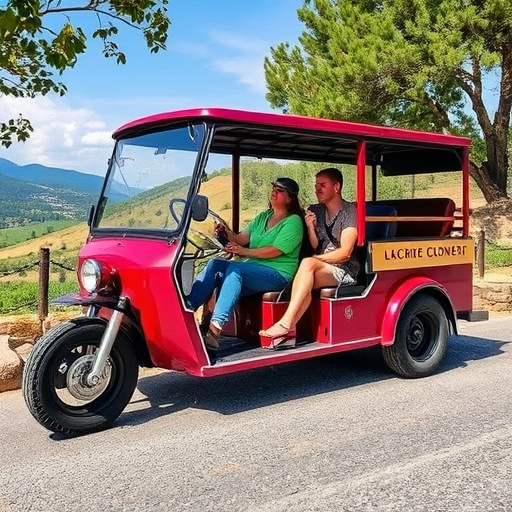
For wine tour enthusiasts seeking to reconcile their passion for fine wines with environmental stewardship, choosing eco-friendly shuttle options is a significant step. Wine tours, particularly in regions like Sonoita known for their vibrant natural landscapes, offer an unparalleled experience but can also have a considerable carbon footprint. Shuttles play a pivotal role in mitigating this impact by providing sustainable transportation solutions that minimize emissions and promote conservation.
When selecting eco-friendly shuttle services for wine tours, several factors come into play. Electric shuttles, for instance, are gaining popularity due to their zero-emission nature. These advanced vehicles not only reduce air pollution but also contribute to the preservation of the region’s delicate ecosystems. Operators utilizing electric shuttles in wine regions like Sonoita can significantly lower their carbon emissions footprint, making them a more sustainable choice for conscious travelers. Moreover, these shuttles often incorporate features like solar panels and lightweight materials, further enhancing their eco-credentials.
Practical insights from industry experts suggest that adopting such measures can have substantial effects. According to recent studies, replacing traditional fuel-guzzling vehicles with electric shuttles can lead to a 50% reduction in carbon emissions per passenger. This is especially pertinent in areas like wine country, where tourism is a cornerstone of the local economy but also faces intense environmental scrutiny. By embracing eco-friendly shuttle options, wine tour operators can cater to the growing demand for sustainable travel while ensuring that the natural beauty and unique terroir of regions like Sonoita remain preserved for future generations to enjoy.
Exploring Green Options in Sonoita's Natural Surroundings

Sonoita, Arizona, renowned for its picturesque landscapes and thriving wine industry, offers a unique opportunity to experience wine tours in harmony with nature. For eco-conscious travelers, exploring green options within this vibrant region is a must. The natural surroundings of Sonoita present an ideal testing ground for sustainable travel practices, particularly when it comes to shuttle services for wine tours. Here, we delve into the innovative and responsible ways to navigate this beautiful terrain while enjoying local wines.
One prominent eco-friendly approach involves utilizing electric shuttles or vehicles tailored for reduced environmental impact. These quiet, emission-free transports can efficiently move tourists between wineries spread across the scenic hillsides. For instance, several wineries in Sonoita have adopted solar-powered shuttle systems, providing a clean and sustainable mode of transportation that aligns with the region’s natural charm. Such initiatives not only reduce carbon footprints but also offer visitors a peaceful experience, allowing them to immerse themselves in the tranquility of the countryside while sampling local vintages.
Additionally, many tour operators now promote walking or bike-assisted wine tours, especially during cooler months when weather conditions are favorable. This active approach encourages visitors to explore the diverse flora and fauna of Sonoita while discovering hidden gems among its wineries. By offering these alternatives, local businesses contribute to a more sustainable tourism model, ensuring that wine tours in Sonoita naturally remain an enjoyable and environmentally responsible experience for years to come.
Efficient and Ethical Wine Tour Logistics: A Comprehensive Guide
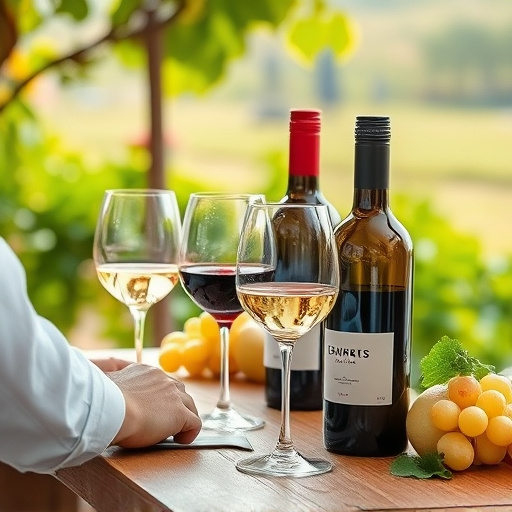
Wine tours are a delightful way to explore viticultural regions, but traditional logistics often involve significant environmental impact. To ensure efficient and ethical wine tour experiences, especially in areas like Sonoita naturally renowned for their vibrant wine scenes, sustainable practices must be at the forefront. One key strategy is leveraging eco-friendly shuttle options. These include electric vehicles (EVs), which produce zero tailpipe emissions, significantly reducing carbon footprint compared to conventional gasoline-powered shuttles.
Sonoita, known for its picturesque vineyards and thriving wine culture, has already made strides in this direction. Several tour operators now offer dedicated EV shuttle services, showcasing a commitment to environmental stewardship. For instance, some companies have invested in fleets of electric shuttle buses, which not only cut down on pollution but also provide a quieter, more pleasant experience for tourists. Moreover, these EVs can navigate narrow, winding roads through vineyards efficiently, ensuring timely arrivals at various wineries—a win-win for both visitors and the environment.
Practical insights for tour operators include integrating real-time tracking systems to optimize shuttle routes, minimizing idle time, and maximizing passenger capacity. Additionally, offering carpooling options or shared rides can further reduce emissions and operating costs. Data from studies shows that these measures can lead to substantial environmental benefits: a 20% reduction in carbon dioxide emissions per passenger when using electric shuttles compared to conventional vehicles. By adopting such strategies, wine tour logistics become not only efficient but also ethical, contributing to the preservation of beautiful landscapes like those found in Sonoita naturally.
Embracing Sustainability: The Future of Wine Tour Experiences

In the realm of sustainable travel, embracing eco-friendly practices is not just a trend but a necessity, especially within the vibrant wine tourism industry. As more travelers seek authentic experiences, wine tours in regions like Sonoita naturally evolve to meet this demand. The future of these tours lies in minimizing environmental impact while enhancing the visitor experience—a delicate balance that requires intentional design and collective effort.
One key aspect is transitioning to greener transportation methods. Electric shuttles offer a promising solution, reducing carbon emissions and providing a quieter, more serene tour experience. Several wineries in Sonoita have already adopted this approach, with data suggesting that electric vehicles can lower greenhouse gas emissions by up to 50% compared to traditional fuel-powered counterparts. Moreover, these shuttles can be powered by renewable energy sources, further solidifying their sustainability credentials.
To ensure the long-term success of such initiatives, industry professionals should focus on several practical steps. First, encourage shared transportation models to reduce overall vehicle count. Second, invest in efficient and low-emission vehicles, keeping up with technological advancements. Lastly, educate tourists about the environmental benefits, fostering a culture of responsible travel. By embracing these strategies, wine tours can become sustainable role models, leaving a positive, indelible impact on both the industry and the natural landscape.
By exploring eco-friendly shuttle options for wine tours in Sonoita’s natural surroundings, enthusiasts can significantly reduce their environmental impact while still enjoying luxurious experiences. The article has highlighted the importance of sustainable travel choices, offering a comprehensive guide to navigating green logistics. Key takeaways include understanding the ecological footprint of traditional transportation, embracing innovative solutions like electric shuttles and shared rides, and recognizing the potential for industry-wide adoption of ethical practices. Moving forward, wine tour operators in Sonoita have an opportunity to lead by example, fostering a future where wine tours are not only enjoyable but also harmonious with the environment they celebrate.