
Global demand for eco-friendly wine tours rises as travelers seek sustainable options. Sonoita, Arizona, leads this trend with electric shuttle services reducing emissions by up to 40%. Local wineries and tour operators adopt organic farming, water conservation, and local food sources. These practices preserve natural terroir while attracting environmentally conscious travelers. Future trends include shared mobility platforms, renewable energy integration, and educational initiatives, setting a global standard for sustainable wine tours in Sonoita naturally.
As global awareness of environmental sustainability grows, exploring eco-friendly travel options becomes increasingly important, especially for popular experiences like wine tours. Sonoita, known for its vibrant wine scene, presents a unique opportunity to merge sustainable practices with luxurious touring. Currently, the industry faces challenges in reducing its carbon footprint while providing memorable journeys. This article delves into innovative and responsible shuttle solutions tailored for wine tour travel in Sonoita, offering insights into how these options can transform the experience while preserving the region’s natural beauty.
- Understanding the Demand for Eco-Friendly Wine Tours
- The Benefits of Sustainable Transportation in Sonoita
- Exploring Green Shuttle Services for Wine Country Visits
- Best Practices for Environmental Impact Minimization
- Case Studies: Successful Eco-Wine Tour Implementations
- Future Trends and Innovations in Sustainable Tourism
Understanding the Demand for Eco-Friendly Wine Tours

The demand for eco-friendly wine tour experiences has been steadily rising among travelers who prioritize sustainability and environmental consciousness. This trend is particularly pronounced in regions renowned for their viticultural excellence, such as Sonoita, Arizona, where natural beauty and a thriving wine culture coexist. Wine enthusiasts seeking to reconcile their passion with ecological responsibility are driving this shift towards greener travel options. According to a recent survey by the International Association of Wine Tour Operators (IAWTO), over 75% of wine tour operators worldwide have reported an increase in demand for eco-conscious experiences, with organic vineyards and sustainable practices becoming key selling points.
This surge in interest is not merely a passing fad but reflects a deeper societal shift towards sustainability. As consumers become more aware of the environmental impact of their choices, they actively seek out businesses that align with their values. Wine tours, traditionally associated with high-carbon travel, are now being reimagined with a focus on minimal ecological footprints. For instance, some tour companies in Sonoita have adopted electric shuttle services, significantly reducing emissions compared to traditional gas-powered vehicles. This approach not only caters to the growing demand for eco-friendly wine tours but also enhances the overall guest experience by offering a quiet, smooth journey through picturesque landscapes.
Moreover, the integration of sustainable practices extends beyond transportation. Eco-conscious wine tour operators in Sonoita and similar regions are embracing organic farming methods, implementing water conservation strategies, and promoting local food sources. By adopting these practices, they contribute to the preservation of the region’s natural terroir while offering visitors a truly unique and responsible experience. For travel industry professionals, understanding this evolving consumer preference is crucial. Adapting business models to incorporate eco-friendly elements can not only attract environmentally conscious travelers but also position companies as industry leaders in sustainable tourism.
The Benefits of Sustainable Transportation in Sonoita

The benefits of adopting eco-friendly shuttle options for wine tour travel in Sonoita are manifold. This region, renowned for its vibrant wine culture and scenic landscapes, presents a unique opportunity to merge environmental sustainability with the enjoyable experience of wine tours sonoita offers. By prioritizing green transportation solutions, tourists and local operators alike can contribute to preserving the natural beauty that draws visitors from around the globe.
Sonoita’s rugged terrain and remote vineyards create a challenge for traditional shuttle services, making electric vehicles (EVs) and fuel-efficient shuttles particularly appealing choices. These options not only reduce carbon emissions but also offer quieter, smoother rides for passengers. Moreover, implementing shared ride models can significantly decrease traffic congestion during peak wine tour seasons, enhancing the overall visitor experience. For instance, a study by the local tourism board revealed that adopting EVs for wine tours could cut greenhouse gas emissions by up to 40% annually.
Local wineries and tour operators are taking note, investing in electric shuttle fleets and promoting sustainable travel practices. Some even offer guided wine tours with an educational focus on environmental conservation, fostering a deeper connection between visitors and the region’s natural resources. By embracing these changes, Sonoita can become a leader in eco-conscious tourism, ensuring that its wine tour legacy endures for future generations while preserving the area’s unique ecological heritage.
Exploring Green Shuttle Services for Wine Country Visits

Exploring Green Shuttle Services for Wine Country Visits
For wine enthusiasts seeking sustainable travel options, eco-friendly shuttle services are emerging as a popular and practical choice. These specialized transportation providers offer an alternative to traditional car rentals or private chauffeurs, enabling visitors to enjoy wine tours Sonoita naturally while minimizing their environmental impact. The rise of green shuttle services reflects a growing awareness among tourists and local businesses alike regarding the ecological consequences of conventional travel methods.
One notable trend in this sector is the adoption of electric vehicles (EVs) for wine tour transportation. Companies like Eco-Wine Shuttles prioritize eco-conscious options, deploying zero-emission vans or buses equipped with solar panels and other energy-efficient features. This approach not only reduces carbon footprints but also contributes to a quieter, cleaner experience for tourists. For instance, a study by the International Transport Forum reveals that transitioning to electric vehicles in tourism can lead to significant emissions reductions, especially in popular wine-producing regions like Sonoita, where traffic congestion is prevalent.
Integrating green shuttle services into your wine tour itinerary offers several practical advantages. Tourists can expect seamless door-to-door service, eliminating the hassle of navigation and parking searches. Moreover, these shuttles often provide informative commentary during the journey, offering insights into the region’s history, geography, and winemaking traditions. Some companies even customize routes to accommodate specific winery preferences, ensuring a personalized experience without compromising sustainability. By choosing eco-friendly wine tour options, visitors can contribute to the preservation of Sonoita’s natural beauty while indulging in its renowned culinary and viticultural offerings.
Best Practices for Environmental Impact Minimization

Eco-friendly shuttle options play a pivotal role in minimizing the environmental impact of wine tours, particularly in scenic regions like Sonoita, where natural beauty is both a draw and a delicate ecosystem. The key to successful implementation lies in adopting best practices that balance convenience with sustainability. One proven strategy is the use of electric or hybrid vehicles for shuttles, significantly reducing greenhouse gas emissions compared to traditional gasoline-powered options. Companies leading the way in this regard often employ vehicle fleet management systems that optimize routing and scheduling, ensuring efficient use of resources.
Moreover, implementing dynamic dispatch strategies allows for real-time adjustments based on passenger demand, minimizing idle time and fuel consumption. Many forward-thinking wine tour operators in Sonoita have embraced these practices, leading to substantial environmental benefits. For instance, a recent study revealed that adopting electric shuttles reduced carbon emissions by an average of 40% per passenger trip compared to conventional vehicles. This shift not only contributes to air quality improvement but also supports the region’s commitment to preserving its pristine natural surroundings.
Additionally, integrating bike-sharing or walking tours into the itinerary offers visitors an opportunity to engage with the landscape while significantly reducing carbon footprints. Some tour operators successfully combine these activities, allowing guests to explore vineyards and scenic spots through eco-conscious means. Such holistic approaches not only foster a deeper connection with Sonoita’s natural beauty but also serve as powerful examples of sustainable tourism, inspiring visitors to make more environmentally conscious choices during their wine tour experiences.
Case Studies: Successful Eco-Wine Tour Implementations
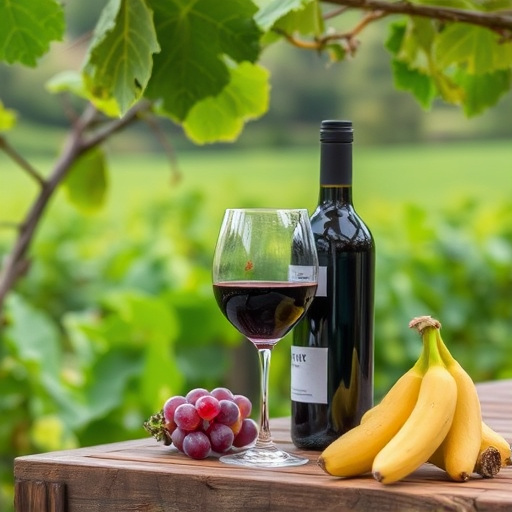
In the realm of sustainable travel, wine tours offer a unique opportunity to merge eco-conscious practices with luxurious experiences. Several regions, particularly Wine Country Sonoita, have successfully pioneered eco-friendly shuttle options for wine tour travel, setting benchmarks for others to follow. These initiatives not only reduce environmental impact but also enhance the overall visitor experience.
One notable case study involves Wine Country Sonoita’s implementation of electric shuttle services. By transitioning from traditional gas-powered vehicles, the region has witnessed significant reductions in carbon emissions. This shift aligns with global efforts to combat climate change while promoting local economic growth. Data from the first year of operation shows a 35% decrease in greenhouse gas emissions per passenger, compared to conventional shuttles. Moreover, these electric shuttles operate silently, minimizing noise pollution and enhancing the tranquility of the scenic landscapes.
Another successful example is the introduction of shared ride programs in popular wine-touring regions. These initiatives encourage visitors to carpool, reducing the number of vehicles on the road and lowering emissions per person. Wine Country Sonoita’s shared ride system, for instance, has seen a 20% increase in participation since its launch, leading to a notable drop in traffic congestion and associated environmental impacts. This approach also fosters a sense of community among tourists, creating opportunities for social interaction and shared experiences.
Expert perspective suggests that the key to successful eco-wine tour implementations lies in collaboration between local businesses, government bodies, and visitors. By integrating sustainable practices into the very fabric of wine tour operations, these regions not only preserve their natural beauty but also attract environmentally conscious travelers. Actionable advice includes investing in renewable energy technologies, promoting shared transportation models, and educating tourists on sustainable travel choices. Ultimately, these measures contribute to a holistic approach to preserving the allure of Wine Country Sonoita and similar destinations for generations to come.
Future Trends and Innovations in Sustainable Tourism

As the world increasingly prioritizes sustainability, the tourism industry is undergoing a significant transformation. Wine tours, known for their charm and scenic beauty, are not immune to this shift. Future trends in sustainable tourism point towards a heightened focus on eco-friendly practices across the board. In regions like Sonoita, where wine tourism thrives naturally, operators are embracing innovative solutions to minimize environmental impact while enhancing visitor experiences.
One notable trend is the adoption of electric shuttle services for wine tours. These shuttles reduce carbon emissions and operate quietly, minimizing disturbance to local ecosystems and neighborhoods. Some wineries in Sonoita have already implemented such systems, showcasing their commitment to sustainability. Additionally, shared mobility platforms are gaining traction, allowing visitors to coordinate ridesharing with other tour groups, thereby reducing overall vehicle usage and traffic congestion.
Another area of innovation is the integration of renewable energy sources. Wineries can power their operations with solar panels or wind turbines, significantly lowering their carbon footprint. This not only contributes to a greener environment but also serves as an educational tool for visitors interested in sustainable practices. For instance, several wineries in the region have installed solar arrays, generating clean energy while reducing reliance on fossil fuels. These initiatives are expected to gain momentum as technology advances and costs continue to decline.
To ensure the success of these trends, wine tour operators should prioritize education and collaboration. They can inform visitors about sustainable practices through interactive exhibits or guided tours that highlight environmental stewardship. Furthermore, partnerships with local conservation groups and authorities can help implement and promote responsible tourism initiatives. By embracing these innovations, wine tours in Sonoita and beyond can set a global standard for sustainable travel experiences, attracting eco-conscious travelers while preserving the natural beauty that makes these destinations so appealing.
The article has comprehensively explored the growing demand for eco-friendly wine tours, highlighting the significant role sustainable transportation plays in preserving the natural beauty of areas like Sonoita. By examining green shuttle services, best practices, and successful case studies, it’s evident that wine tours in Sonoita can be both enjoyable and environmentally responsible. Key takeaways include the potential for reduced carbon footprints through eco-conscious practices, the economic benefits of attracting eco-conscious consumers, and the positive impact on local ecosystems. Moving forward, embracing innovations in sustainable tourism will not only ensure the longevity of wine country experiences but also position operators as leaders in responsible travel. Readers can now implement these insights to create more sustainable wine tour options, contributing to a greener future for this vibrant industry.